Blog
Are Data Removal Services Secure? What You Need to Know
Updated October 21, 2026 10 min read

Table of Contents
- Are Data Removal Services Secure? The Core Security Question
- What Information Do Data Removal Services Collect
- Data Removal Service Security Practices That Matter
- Understanding Data Removal Service Privacy Policy Requirements
- The Security Trade-Off: DIY Opt-Outs vs. Professional Services
- Data Removal Service Alternatives and Their Security Implications
- How to Verify Removals and Assess Service Trustworthiness
- Frequently Asked Questions
Last Updated: October 5, 2026
Are Data Removal Services Secure? The Core Security Question
When you hand over your personal information to a data removal service that offers data removal services secure practices, you're trading one risk for another. You expose your details to the service itself in hopes of reducing exposure elsewhere. That's the central tension: does the benefit outweigh the security cost?
Data removal services collect sensitive information, your name, address, phone number, email, sometimes financial details, to request removal from data brokers and people-search sites.
We've analyzed what makes some data removal services genuinely secure and where others fall short. The answer isn't simple. It depends on encryption practices, employee access controls, data retention policies, and whether the service has been independently audited. Most services don't publish these details. Some won't answer direct questions about them.
Below, we'll show you exactly what security practices matter, which ones most services skip, and how to verify whether a removal service is actually protecting your information or just moving the risk around.
What Information Do Data Removal Services Collect
Data removal services need your personal information to do their job. The question is: how much do they actually need, and what do they do with it?
Most services collect your full name, address, phone number, and email address. Many also request your date of birth, Social Security number, or driver's license information to verify your identity across different data broker databases.
Here's where it gets risky. The more information a service collects, the more damage it can cause if breached.
The practical trade-off is real:
- Services that collect minimal data may struggle to verify you across all databases
- Services that collect extensive data can be more thorough but expose you to greater breach risk
- Services that collect financial information can confirm account ownership but hold highly sensitive details
Before signing up, ask yourself: does this service actually need my Social Security number to remove my data from a people-search site? Many don't. If a service requests extensive information without clear explanation of why, that's a red flag.
Some services also collect information about your data removal history, which sites you've requested removal from, and which requests succeeded or failed.
Data Removal Service Security Practices That Matter
Not all security measures are equal. Some practices genuinely protect your data. Others are marketing theater.
Encryption and data transmission
Encryption during transmission is table stakes, it's the minimum a legitimate service should offer. When you send your information to a data removal service, it should travel over an encrypted connection (HTTPS). Your browser shows a padlock icon when this is working correctly.
The real question is what happens after transmission. Does the service encrypt your data at rest, meaning while it's stored on their servers? Many services encrypt data in transit but store it unencrypted in their database. That's a significant gap.
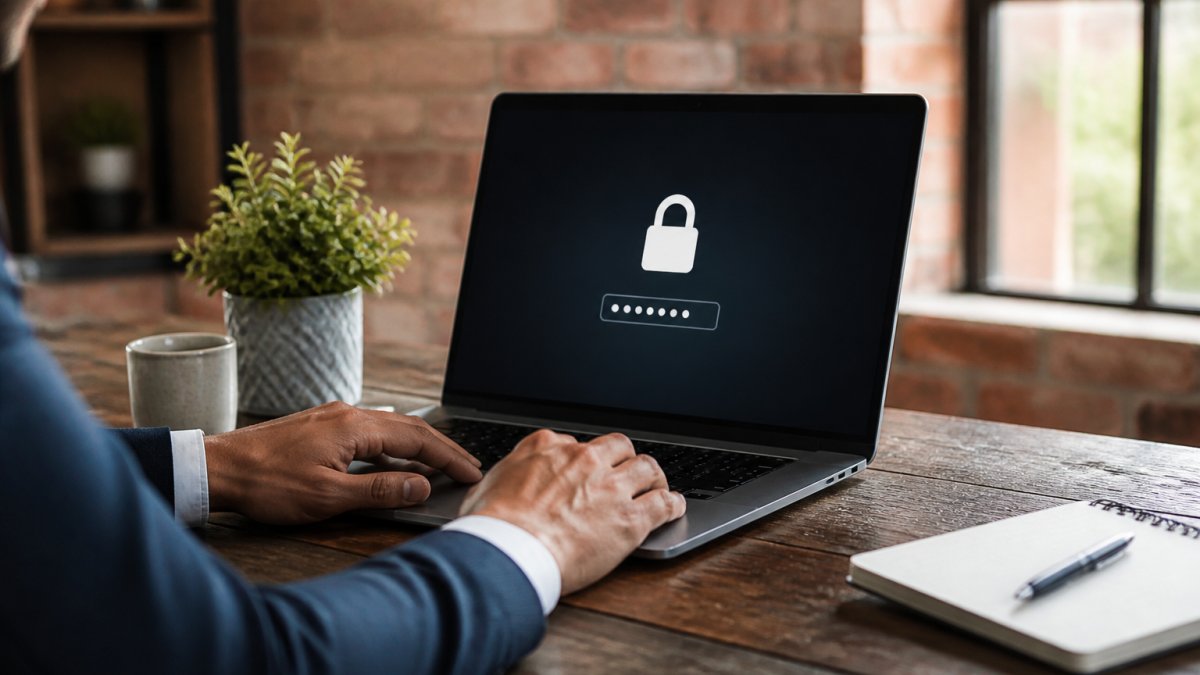
Encryption strength matters too. Modern services use AES-256 encryption, which is considered secure. Older services might use weaker standards. If a service won't tell you what encryption standard it uses, that's a sign it either doesn't encrypt data at rest or doesn't want to admit the standard is outdated.
Access controls and employee oversight
Encryption protects your data from outsiders. Access controls protect it from insiders, the employees and contractors who work for the service.
The best services limit which employees can access customer data. A customer service representative shouldn't need to see your Social Security number to help you. A developer shouldn't have direct access to the database containing millions of customer records. Services that enforce this principle use role-based access controls: employees can only access the specific data they need to do their job.
Some services also implement audit logging, which tracks who accessed what data and when. If an employee views your file, there's a record. That record deters misuse and creates accountability.
Many services don't publish these practices. That absence itself is informative, it suggests they either don't have strong access controls or don't want to highlight that they do.
Data retention and deletion after cancellation
What happens to your data after you cancel? This is where many services become evasive.
A trustworthy service deletes your data within a defined timeframe after cancellation, typically 30 to 90 days. Some services keep your data longer "for record keeping" or "in case you want to reactivate." That's their choice, but it's your risk.
The best services also allow you to request immediate deletion, not just automatic deletion after cancellation. Some services offer a "right to be forgotten" option, which deletes your data on demand.
Ask directly: what happens to my data if I cancel? How long is it kept? Can I request immediate deletion? If a service won't answer these questions clearly, assume they're keeping your data longer than necessary.
Understanding Data Removal Service Privacy Policy Requirements
A privacy policy tells you what a service collects, how it uses the data, and who it shares it with. Reading one is tedious but essential.
Look for these specific commitments in a service's privacy policy:
Does the service sell or share your data with third parties? This is the deal-breaker question. Some services use your information for marketing purposes or sell it to other companies (the FTC). That defeats the entire purpose of hiring a service to reduce your data exposure.
Does the service use your data for profiling or targeted advertising? This is common but worth knowing. Some services build profiles of customers based on the data they collect, then use those profiles for internal analytics or to improve their marketing.
Does the service disclose data to law enforcement? This is necessary and expected, services should comply with valid legal requests. But some services have a low threshold for what they consider a valid request, while others push back on overbroad demands.
How long does the service retain data after you delete your account? The policy should specify a timeframe. If it doesn't, that's a problem.
Can you access and download your own data? Services that allow this are generally more transparent. You can see exactly what they've collected about you.
The Security Trade-Off: DIY Opt-Outs vs. Professional Services
You could skip a data removal service entirely and contact data brokers yourself. It's free. It's also tedious and risky in a different way.
When you contact a data broker directly, you're sending your information to that company. You're trusting their security practices, which are often worse than a dedicated removal service.
You also create a paper trail. Each time you contact a broker, you're confirming that your information is valuable enough to request removal.
A professional removal service consolidates your risk. Instead of sending your information to dozens of data brokers, you send it to one service. That service handles the requests on your behalf.
But this trade-off only works if the removal service is more trustworthy than the brokers themselves.
The security question becomes: is this removal service more secure than the alternative of contacting brokers myself? For most people, yes. But it depends on the specific service.
Data Removal Service Alternatives and Their Security Implications
Some people choose not to use a removal service at all. They either accept their online exposure or try to manage it themselves.
Manual opt-outs involve contacting data brokers directly. You can find most brokers' opt-out pages and submit requests yourself. This is free but requires significant effort and offers no verification that removal actually happened.
Privacy-focused email services and virtual phone numbers can reduce your exposure going forward. Instead of giving your real phone number or email to every website, you provide a temporary or masked version. This doesn't remove existing data, but it prevents new data from accumulating.
Opting out of data collection at the source is another approach. Many websites allow you to opt out of data sharing. This is effective but requires you to find and use these options on dozens of sites.
Each alternative trades convenience for security in different ways:
| Approach | Effort Required | Upfront Cost | Ongoing Risk | Verification |
|---|---|---|---|---|
| Manual opt-outs | High | None | Brokers may ignore requests | Difficult |
| Removal service | Low | Subscription | Service security matters | Service provides reports |
| Virtual contact info | Medium | Low to moderate | Depends on provider | You control it |
| Source opt-outs | High | None | Depends on each site | Limited visibility |
The removal service approach requires trusting one company instead of dozens. That's either a strength or weakness depending on how trustworthy that company is.
How to Verify Removals and Assess Service Trustworthiness
A removal service can claim anything. Verification is what matters.
Request removal reports. A good service provides documentation showing which data brokers received your removal request and which ones confirmed removal.
Search for yourself independently. After using a removal service, search your name on major data broker sites and people-search engines.
Check for independent audits. Some removal services undergo security audits by third parties. Look for mentions of SOC 2 compliance or similar certifications.
Review their breach history. Search for news about data breaches involving the removal service.
Ask about their data deletion process. How do they verify that your information is actually deleted from their systems?
Look for transparency about limitations. A trustworthy service will tell you:
- Which data brokers they can request removal from
- Which types of data they can remove
- What happens if a broker ignores the removal request
- How long removal typically takes
- What happens if your data reappears
Services that oversell their capabilities or refuse to discuss limitations are less trustworthy.
Choosing a data removal service means accepting that you'll share sensitive information with another company. The security question isn't whether that's risky, it is.
cybersweep analytics helps you identify and reduce your online data exposure through targeted removal requests and ongoing monitoring.
Frequently Asked Questions
Are data removal services safe to use with my personal information?
Data removal services require access to sensitive information to submit opt-out requests on your behalf. Reputable services use encryption, access controls, and clear privacy policies to protect your data. Before signing up, verify the service encrypts your information in transit and at rest, limits employee access, and deletes your data after cancellation. Check their privacy policy for how long they retain your information and whether they share data with third parties. No service is risk-free, but established providers with transparent security practices and clear data-handling policies present lower risk than managing opt-outs yourself across dozens of sites.
What personal information do data removal services need?
Data removal services typically require your name, address, phone number, email, and sometimes date of birth or Social Security number to search data broker databases and submit removal requests. This information helps them locate your records across multiple brokers and verify your identity when requesting deletion. The more information you provide, the more comprehensive their search can be. However, you should only provide what a service explicitly requests. Review their privacy policy to understand how they use, store, and delete this information after completing removal requests. Services should clearly explain why they need each piece of information and offer options to limit what you share.
What should I do if my information reappears after removal?
Data brokers can reacquire your information from public records, online transactions, or other sources and republish it. If your data reappears, contact the service to request another removal. Many services offer ongoing monitoring to detect when your information resurfaces and automatically resubmit removal requests. Some include this as part of their subscription; others charge extra. You can also manually check data broker sites periodically or use free opt-out tools to verify removals yourself. Keep records of removal requests and dates. If a broker repeatedly republishes your information despite requests, document the pattern and consider filing a complaint with the Federal Trade Commission.
How can I tell whether a data removal service protects my data?
Look for services that publicly document their security practices: encryption standards (TLS 1.2 or higher for transmission), access controls limiting who can view your information, and data retention policies explaining how long they keep your data and how they delete it. Check if they've undergone independent security audits or obtained SOC 2 certification. Review their privacy policy for clarity on data sharing, third-party access, and breach notification procedures. Read customer reviews and check if they've had public security incidents. Ask the service directly about their security measures and data deletion process after you cancel. Services that are transparent about these practices and willing to answer security questions are generally more trustworthy than those that avoid the topic.